Method: how we describe hydrogen studies
How we know what we know: how we describe the studies
More than two thousand scientific papers have been written about molecular hydrogen. We rely only on human studies, and for each topic we show exactly what our text is based on.
Covers
Session
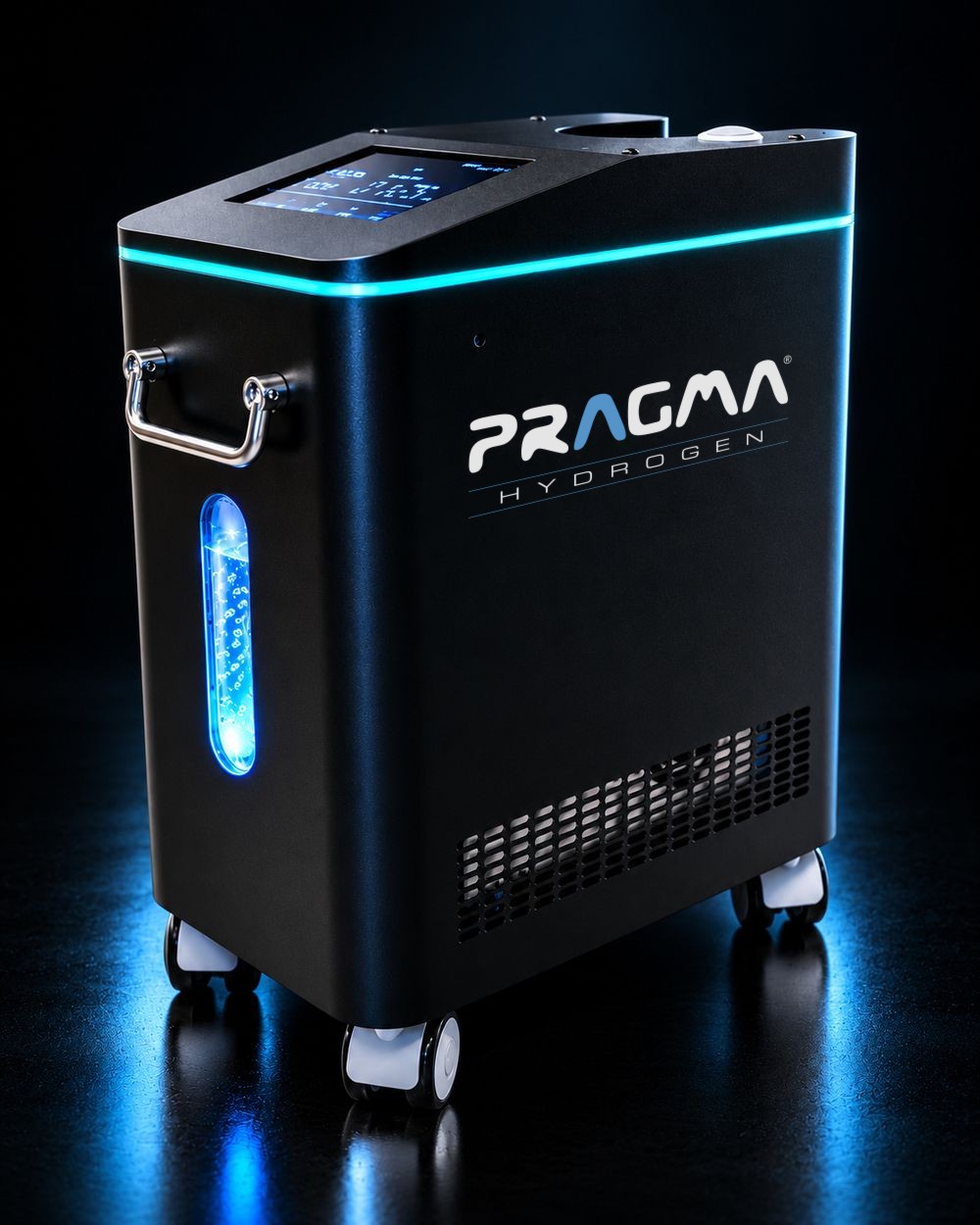
Inhalation from 30 minutes, at home, through a nasal cannula. See the PRAGMA HYDROGEN hydrogen generator
On this page
Hydrogen studies: key facts
- Each of the 170 topics carries a label for the kind of studies it is based on.
- For each study we give the number of participants, the route of administration and the result.
- Every entry leads to the source in PubMed or at its DOI address.
Hydrogen research: two labels on the topics
Human studies: hydrogen was studied in people with the complaint in question, most often with a control group. Related human studies: we describe human studies on the topic's symptoms or on a closely related problem.
We rely only on human studies. The label refers to research on molecular hydrogen in the topic in question, not to our device.
What to look at in a single hydrogen study
Control group and placebo: they make it possible to tell the effect of hydrogen from natural improvement. Number of participants: the larger it is, the more certain the result. Type of result: an index in the blood is one thing, wellbeing and fitness another. Route of administration: inhalation, hydrogen water, a bath or an infusion in hospital.
Where our study descriptions come from
We prepare the descriptions on the basis of the authors' abstracts in the PubMed database and, where possible, the full texts. Every record has a link to the source. We show the number of publications over time on the basis of the open Hydrogen Studies dataset under the CC BY 4.0 licence. In the bank we present selected human studies in which the authors observed favourable changes: we chose them from the 348 records marked as human studies in the Hydrogen Studies dataset (as of 11.11.2026) and from our own searches. We left out papers that do not concern the administration of hydrogen: deep-sea diving, hydrogen produced in the gut, historical texts and commentaries. Where a record is described only on the basis of that dataset, we say so explicitly. If you find an error, write to us.
Hydrogen studies: frequently asked questions
What studies is hydrogen inhalation based on?
The study bank collects scientific publications on molecular hydrogen, above all on inhalation of a hydrogen-oxygen mixture, and also on hydrogen water. PRAGMA HYDROGEN produces a hydrogen-oxygen mixture in a 2:1 ratio, the same as in clinical trials of inhalation.
What does “double-blind study” mean?
Neither the participants nor the people assessing the results know who is receiving hydrogen and who is receiving placebo. This way expectations do not influence the result, and the effect of hydrogen can be told apart from natural improvement.
Is it a medical device?
No. PRAGMA HYDROGEN is a device for wellness use. It does not replace a consultation with a doctor.
How often should I use inhalation?
Studies most often used daily sessions lasting 30 to 60 minutes. The device lets you set the time from 30 minutes to 5 hours. Start with shorter sessions and see how you feel.
Is hydrogen inhalation safe?
In clinical trials, hydrogen inhalation was well tolerated. The generator has 8 safety features that stop it working if a fault occurs. Hydrogen is a flammable gas: do not smoke or use an open flame near the device. People with chronic conditions, pregnant women and children should consult a doctor before use.
Other guides
Educational information, not medical advice. Full database of publications: Hydrogen Studies.
Try hydrogen for yourself.
Order the generator and see how it fits into your day.
PLN 17,990 gross (incl. VAT). 24-month warranty, user training included.